“The Kids Are All Right – Adults Are the Climate Change Problem” by Max Boykoff
There is an interesting new comment by Prof. Max Boykoff on our partner blog from the Center for Science and Technology Policy Research in Boulder, Colorado/USA. He describes how older adults try to diminish climate engagement promoted by young activists – and calls for more support: “Trust in this next generation of leaders”. Read […]
New post series: “Explain your Jargon” – Part 1: What is a climate model?
A video series of climate change jargon busting. Climate models, geoengineering, loss and damage – those are some of the confusing terminologies that you’ll stumble upon when reading about climate change and climate politics. Communicating climate change is a challenge. Most science journalists face difficulty in writing about technical notions that are hard to grasp. […]
Six theses for a constructive climate communication
In his column “On the subject” for the Deutsche Klima Konsortium (DKK), Prof. Dr. Michael Brüggemann presents six theses for a constructive climate communication. You can find the complete editorial here (in German only).
Is German Climate Coverage driven by extreme temperatures? Partly.
Recent weeks have not only brought about record-breaking temperatures, but also a rise in climate coverage, as clearly shown by our Online Media Monitor (OMM) on Climate Change Coverage around the world [1]. But are higher-than-usual temperatures really the main trigger of climate change reporting? We had a closer look at the case of Germany: […]
Call for manuscripts – new book series “Global Communications”
The first international open access book series in media and journalism studies calls for manuscripts, with Michael Brüggemann as one of the founding editors. Global Communications is a new book series that looks beyond national borders to examine current transformations in public communication, journalism and media. It focuses on the role of communication in the […]
New paper published: From “Knowledge Brokers” to Opinion Makers: How Physical Presence Affected Scientists’ Twitter Use During the COP21 Climate Change Conference
The paper “From “Knowledge Brokers” to Opinion Makers: How Physical Presence Affected Scientists’ Twitter Use During the COP21 Climate Change Conference” was published in the International Journal of Communication. This study investigates the 2015 United Nations Climate Change Conference summit and examines scientists’ social media use by analyzing “digital traces” that scientists left on social […]
One Year of Climate Change on Twitter – One Year of Trump Arousing Attention?
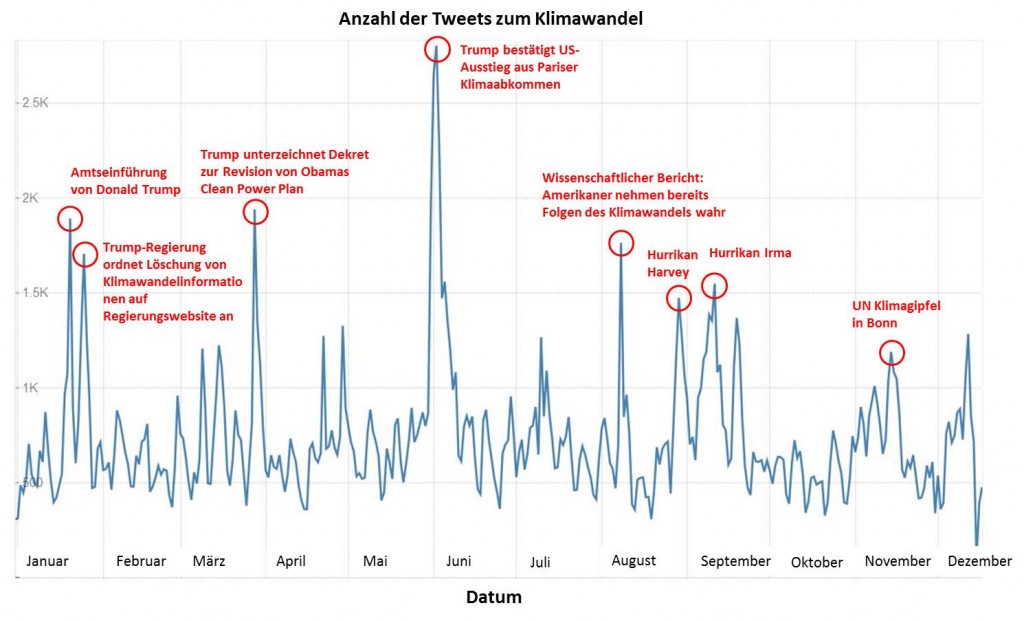
Review of Twitter communication on climate change in 2017: Which events triggered tweets about climate change and to which domains do these tweets link to? The analysis of our online media monitor (OMM) reveals that the number of climate change-related tweets has risen compared to 2016. Still – and this year even more – Donald […]
Workshop: Redefining the Boundaries of Science and Journalism in the Debate on Climate Change
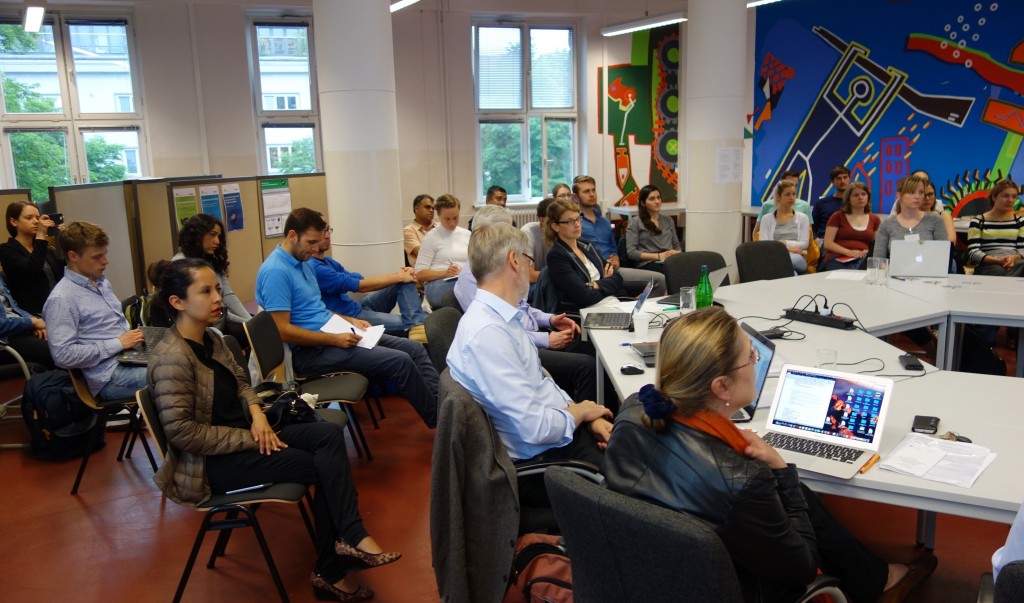
As a kick-off for a new research project, the research team of Prof. Michael Brüggemann organized a workshop at the University of Hamburg from June 21 to 23. The team discussed the changing roles of science and politics in times of post-normal science communication with national and international guests.
Wissenschafts-Kommunikation im Trump-o-zän: Wie wir alle das post-faktische Zeitalter verhindern können
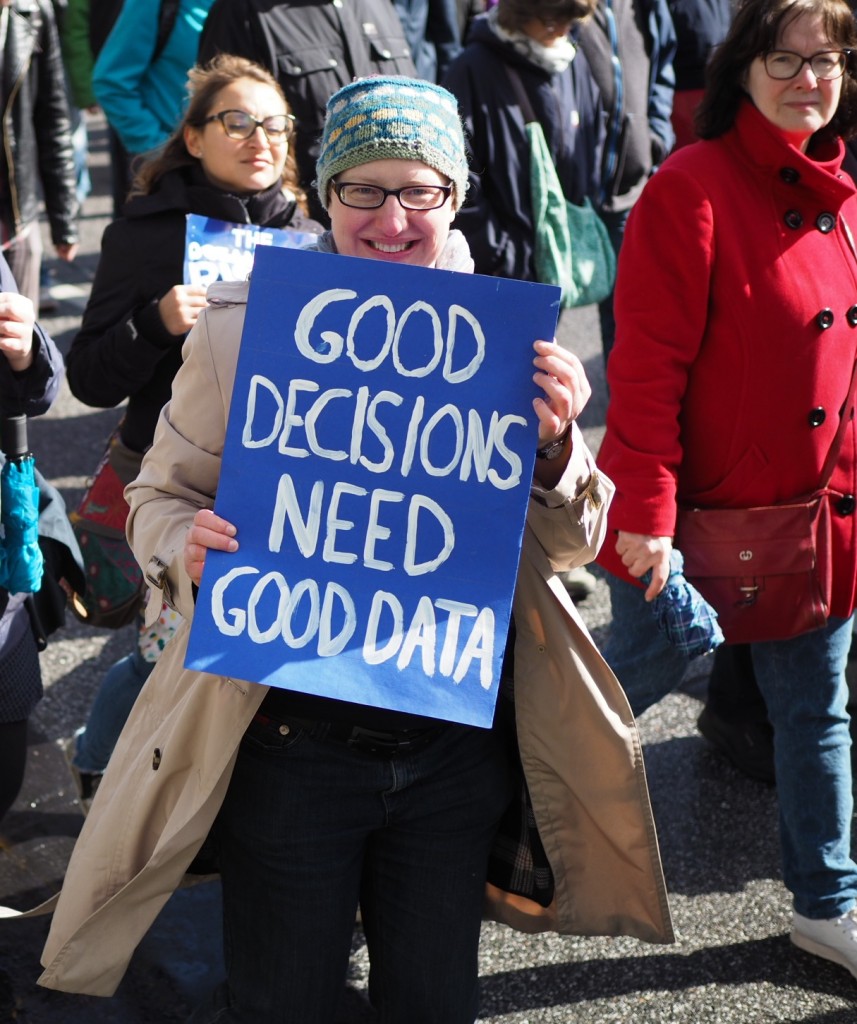
Der amtierende US-Präsident ist nicht der einzige, aber einer der lautesten Vertreter einer “postfaktischen” Sichtweise, die sich durch die Leugnung von Verantwortung und einen Rückzug in Subjektivität auszeichnet und in der wissenschaftliche Fakten nach Belieben zur Kenntnis genommen oder ignoriert werden können. Zu der Frage, wie sich Wissenschaft und Medien auf diese veränderten gesellschaftlichen Rahmenbedingungen […]
New Publication: Beyond false balance
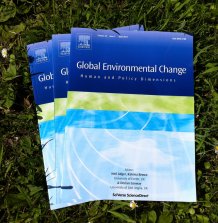
Finally, the article „Beyond false balance: How interpretive journalism shapes media coverage of climate change” is available online. The article is an outcome of our project “Framing Climate Change” and was published by the journal Global Environmental Change.