Fast fashion is one of the major challenges associated with changing consumer behavior and the rise of influencer culture. However, what is old is now becoming trendy again, and buying off the rack may slowly be falling out of fashion.
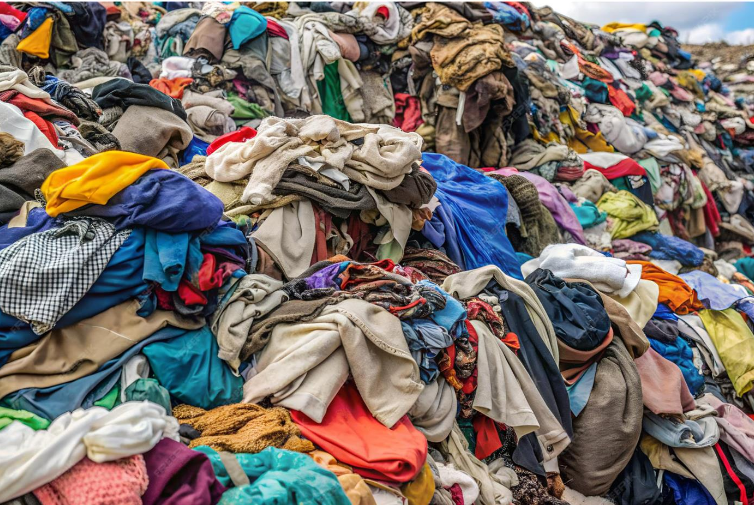
In recent years, many trends have come and gone, but a larger problem remains: high textile consumption. Thanks to public figures, especially so-called influencers, clothing purchases have become a vehicle for product placement and advertising like never before, with discounts, “hauls,” Black Friday, Cyber Monday, and numerous other special occasions constantly inviting people to shop.
Lack of space despite the urge to buy
But if you constantly need new things, yet space in your closet is limited, where are you supposed to put everything? Giving clothes away, throwing them away, or donating them are among the most common solutions, and the latter has become a trend that is not only good for the social media algorithm, but also for your wallet and the environment.
So-called “thrifting,” second-hand shopping in charity shops, vintage stores, and similar places, has gone from being frowned upon to being highly sought after in recent years. Finding old treasures, out-of-print clothing, and unique items among piles of previously discarded fashion currently embodies one of the most visible counter-movements to the wasteful fast fashion craze seen on the Internet.
Ultimately, it’s an appealing idea: the wishes and needs of the masses are satisfied by an alternative shopping option, no new clothes are flooding the market, and this benefits both the environment and personal finances.
Stop or just slow down?
To be honest, though, this trend is more a band-aid than a real solution. While it encourages reflection on the sustainability of clothing, it remains a small consolation within the massive global fashion industry.
According to recent findings, there is already enough clothing on our planet to dress the next six generations. At the same time, pollution from clothing giants such as Shein, H&M, and Zara continues to increase dramatically. The need for a new wardrobe for every season is a burden that cannot be lifted through buying used clothing alone.
Insight
It is demand that determines supply. Influencers cannot profit if nothing is purchased through their promotions. Companies cannot profit if their trends are not consumed. And we would not be faced with overflowing closets full of unworn clothing if we didn’t keep buying it.
Awareness of sustainability, ethical production, and responsible consumption needs to grow stronger. Influencers on social media should address these issues more actively in order to maintain an honest connection with the general public, rather than promoting short lived trends that will end sooner than they will sell out in stores.
The realization that raw materials are finite must not end with energy consumption: polyester, elastane, and nylon are synthetic materials, not natural resources that grow on trees. Plastic does not provide lasting warmth, nor does it naturally decompose in the soil. The focus needs to shift on what can produced naturally to ensure the longevity of clothing. What comes around, goes around – plastics will stay.
So, why buy a bag that you already own in two colors? Thrifting in 2026 is a great way to shop in a more budget- and environmentally-conscious way, but it is not a real solution. We need to develop an awareness of the impact and consequences of our own consumption. Switching from buying new clothes to shopping second-hand does not remove our personal responsibility. More sustainable clothing does not automatically mean sustainability. It is the decision not to buy that tenth pair of linen pants that reinforces sustainability and fosters an awareness of consumption – not simply shopping exclusively at second-hand stores.